
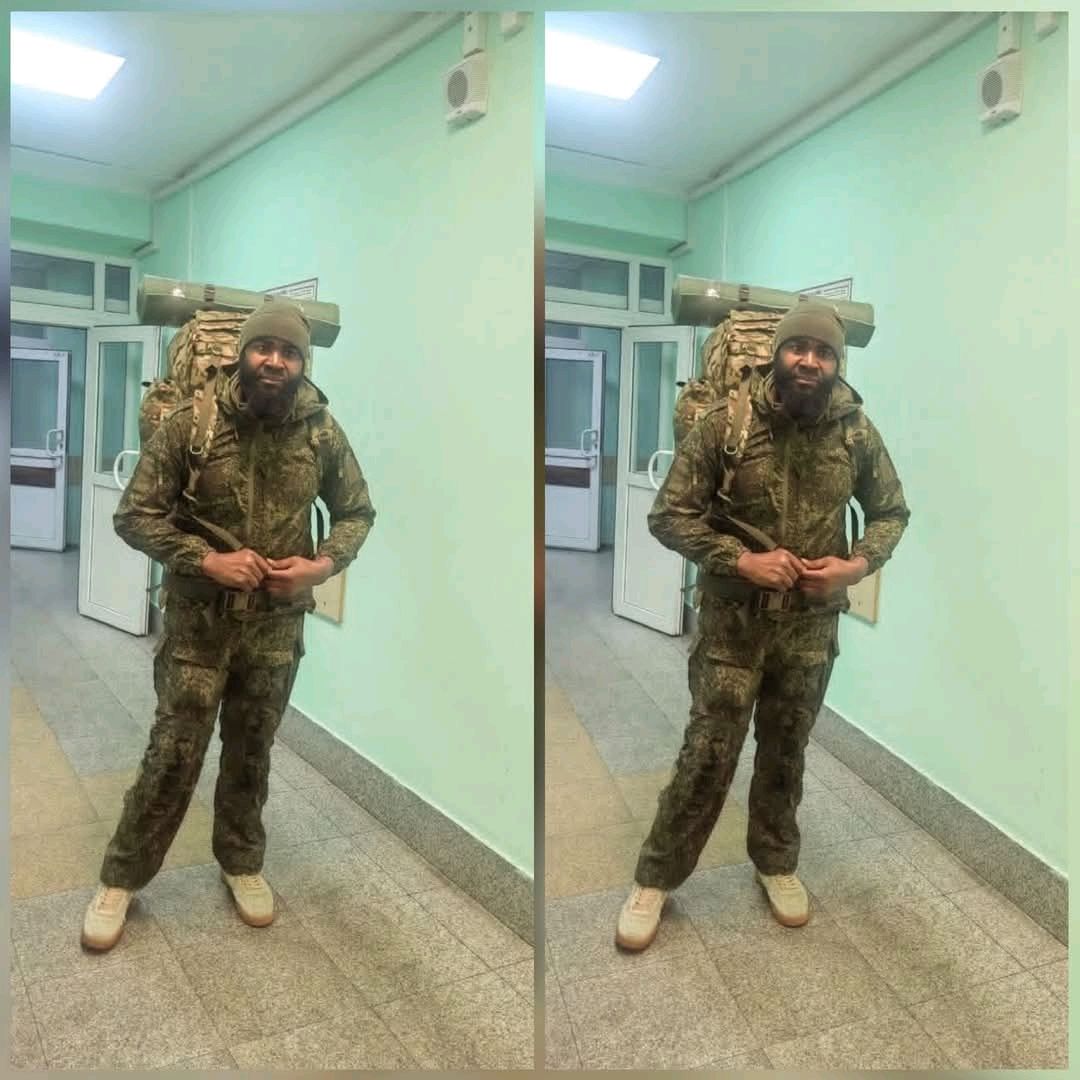
The body of a Zimbabwean man killed while fighting in the Russia–Ukraine war remains stranded in Russia, as authorities struggle to resolve confusion surrounding his true identity—a delay that has deepened his family’s anguish and cast renewed light on covert recruitment networks allegedly drawing African fighters into the conflict under false nationalities.
The deceased, Mandla Ncube, was killed in Ukraine’s Donbas region while reportedly serving alongside Russian forces.
Sources familiar with the matter said efforts to repatriate his remains have stalled after Russian officials indicated that Ncube entered the country using South African identification documents, despite being Zimbabwean by birth. The conflicting records have complicated official procedures, with authorities yet to determine which country bears responsibility for his case.
The identity dispute has intensified scrutiny of underground syndicates accused of recruiting Zimbabweans and other Africans to fight in the Russia–Ukraine war. These networks are believed to prey on unemployed youths, luring them with promises of well-paid jobs abroad.
Investigators say recruits are often transported to South Africa — mainly through KwaZulu-Natal — where fraudulent identity documents are allegedly obtained. Once issued with false papers, recruits are flown to Russia and formally registered as South African nationals.
This manipulation of identity makes it exceedingly difficult to trace fighters who are injured or killed, leaving families unable to recover bodies, claim compensation, or even establish the circumstances of death.
The issue gained further attention last week after five South African nationals appeared in court on charges linked to the illegal recruitment of individuals to fight in the war, in violation of South African regulations. Among those arrested was a 39-year-old freelance journalist with the South African Broadcasting Corporation, whom prosecutors previously described as the alleged architect of the operation.
The State alleges the journalist travelled to Russia at least five times since September 2025 and visited several other countries in the past year before her arrest in early December. The accused were later released on bail.
A recent investigative report titled The Business of Despair by All Eyes On Wagner — which examines the activities of the Russian state-linked private military group Wagner — details recruitment networks operating across Africa and Russia.
The investigation identified 1 417 fighters from 35 African countries who enlisted between 2023 and mid-2025. While some joined voluntarily after being enticed by high salaries, others were allegedly deceived by fake employment offers or pressured into signing military contracts.
According to the report, recruitment networks included African travel agencies advertising “fast-track” visa services that promised departures within weeks. Social media platforms such as Facebook, Instagram, Telegram and TikTok were reportedly used to glamorise life in Russia, often featuring images of Moscow skyscrapers and luxury vehicles.
Research by French Institute of International Relations analyst Thierry Vicroulon estimates that between 3 000 and 4 000 Africans were among the 18 000 to 20 000 foreign fighters in the Russian army.
Investigators say recruits signed payment agreements worth between €10 000 (about US$13 500) and €15 000 (about US$20 300) with foreign companies responsible for visas and travel. An Agence France-Presse investigation published last week revealed how four men with no military background were deceived into signing contracts with the Russian army and rapidly deployed to Ukraine’s frontlines.
Former ZIPRA commander in Matabeleland North, Patrick Msongelwa Dube, warned that young people were being dangerously misled about the realities of war.
“War is not a movie, and it is not a quick way to make money,” Dube said. “Those recruiting these youths are not telling them about the trauma, the injuries and the permanent physical and psychological scars. No amount of money is worth dying in a war that is not yours.”
Opposition party Zimbabwe African People’s Union national organising secretary Ndodana Moyo urged citizens to remain alert to recruitment schemes.
“This must serve as a wake-up call,” Moyo said. “We cannot allow our children to be lured into a foreign war under false promises. The risks are severe and the consequences devastating.”
Opposition activist Alfred Dzirutwe echoed the warning, cautioning Zimbabweans against dubious job offers linked to Russia.
“Any offer promising unbelievable benefits should immediately raise red flags,” he said. “These are often pipelines into a brutal war. The media must expose this crisis, and the government cannot remain silent while young people die thousands of kilometres from home.”
Bulawayo-based pressure group Ibhetshu LikaZulu secretary-general Mbuso Fuzwayo said the government must act decisively.
“The inability of families to retrieve bodies or confirm legal identities reflects a total failure of protection mechanisms,” Fuzwayo said. “This requires cross-border investigations, victim support and clear public warnings.”
Sources say recruits are typically offered sign-on payments of about US$10 000, paid in cash or through informal channels, along with promised monthly salaries of up to US$2 500, combat allowances and potential residency benefits in Russia.
In southern Africa, South Africa is reportedly used as the primary exit point. Investigations indicate that Plumtree has emerged as a key recruitment hub, with some recruits departing through Joshua Mqabuko Nkomo International Airport.
To avoid detection, recruits are allegedly made to sign contracts for civilian roles such as drivers, mechanics, cleaners or receptionists. Once in transit, they are housed in hotels for up to two weeks while visas are processed, isolated from family members and coached on what to say to authorities.
Upon arrival in Moscow, recruits reportedly receive as little as two weeks of basic training before being sent directly to the frontlines in Ukraine.
Meanwhile, Musalia Mudavadi announced on Tuesday that he will travel to Moscow in March following the deaths of Kenyan nationals who were similarly deceived by recruitment schemes. Mudavadi said more than 30 Kenyans had been evacuated from Russia in the past two months and that fraudulent recruitment agencies in Kenya had been shut down.
