
Zimbabwe’s highly publicised urban cash transfer initiative, designed to assist low-income households, has effectively collapsed after just one round of disbursements—leaving thousands of vulnerable families without further aid.
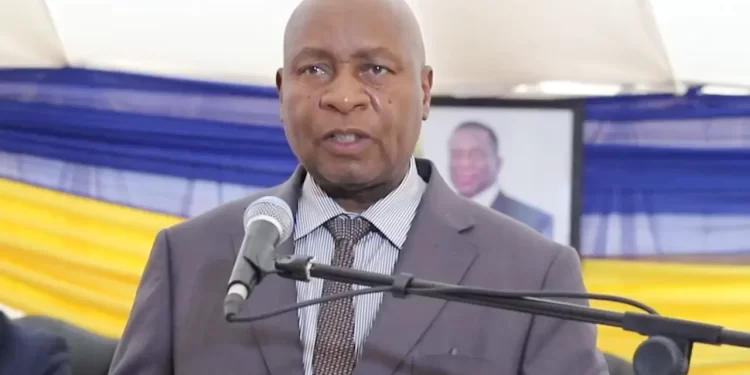
Speaking in Parliament last week, Minister of Public Service, Labour and Social Welfare Edgar Moyo confirmed that no funds had been allocated for the programme in 2025. He was responding to a question from Luveve MP Discent Bajila (CCC) regarding how many Bulawayo residents had received support this year.
Moyo acknowledged the programme had stalled due to lack of funding from the Ministry of Finance.
“No additional funds have been received from Treasury for the cash transfer programme,” he said.
According to the minister, over 219,000 individuals in Bulawayo were enrolled under the “cash for cereal” initiative. However, only 39,293 people received any money—distributed in October 2024.
Each recipient was given the equivalent of US$8, disbursed through the NetOne OneMoney mobile money platform.
Additionally, the World Food Programme (WFP) supplemented the payout for 15,000 recipients, offering an extra US$5 per person to help improve dietary intake.
Despite this, no further disbursements have been made since.
“What we saw in October 2024 was the only disbursement. After that, no further payments have been made because Treasury has not released additional resources,” Moyo admitted.
The situation in Bulawayo is not unique. Reports indicate that many households across the country, although registered, have yet to receive any support at all.
MP Bajila raised concerns over the government’s failure to deliver on promises:
“This programme was supposed to be a safety net. People registered with the expectation of assistance. Now they’ve been left without help—and without answers.”
The collapse of the programme has sparked debate about the sustainability and financial reliability of Zimbabwe’s social protection strategies. While the WFP’s intervention was helpful, it reached only a fraction of the registered population.
With no new funding from Treasury and no clarity on future disbursements, hopes for continued support to struggling urban families have largely evaporated
ALSO READ : Mnangagwa Unveils $1.98 Billion Loan Scheme to Boost Climate-Resilient Farming
